Specific phobia in children: the CBPT assessment & treatment protocol
A practitioner’s guide to recognising marked, persistent fear of a specific object or situation in childhood and treating it with Cognitive Behavioral Play Therapy — under the scientific direction of Maria A. Geraci and Susan M. Knell.
Train in the CBPT protocol for childhood specific phobiaScientific direction: Maria A. Geraci and Susan M. Knell
Five-phase clinical pathway
For child psychotherapists
A phobia is fear that has learned to overgeneralise. In play, the feared thing can be approached one safe step at a time.
— CBPT Research Center
When one fear takes over
Specific phobia in children is an intense, persistent fear of a circumscribed trigger — not defiance, not a passing worry.
A child with a specific phobia shows intense, out-of-proportion fear of a particular trigger — animals, the dark, injections/blood, heights, storms, costumed characters. Exposure provokes immediate anxiety (crying, freezing, clinging, tantrums), and the child organises daily life around avoidance, which quietly narrows their world.
“I know it can’t really hurt me — but my body doesn’t believe it.”
Understanding specific phobia in children
A clinical overview: what specific phobia is, how its symptoms present, when it begins, and the factors that cause and maintain it.
Anxiety disorder (DSM-5-TR)
Marked, persistent fear of a specific object or situation, actively avoided or endured with intense distress
Early childhood; one of the most common anxiety disorders in youth
Fear, anxiety or avoidance persisting ≥6 months
Fear may be expressed as crying, tantrums, freezing or clinging rather than verbal report
Avoidance maintains and reinforces the phobia; the child’s world progressively narrows
What is specific phobia? (DSM-5-TR definition)
Specific phobia is defined by marked fear or anxiety about a specific object or situation that is almost always provoked, out of proportion to actual danger and causing significant impairment.
Specific phobia is an anxiety disorder characterised by marked fear or anxiety about a specific object or situation (DSM-5-TR; APA, 2022). The feared object or situation almost always provokes immediate fear or anxiety, is actively avoided or endured with intense distress, and is out of proportion to the actual danger it poses. For a diagnosis, the fear, anxiety or avoidance must persist for ≥6 months and cause clinically significant distress or impairment in social, school or other important areas of functioning. In children the fear may be expressed by crying, tantrums, freezing or clinging rather than by explicit verbal report. Specifiers identify the stimulus type: animal, natural environment, blood-injection-injury, situational, or other.
Symptoms & presentation
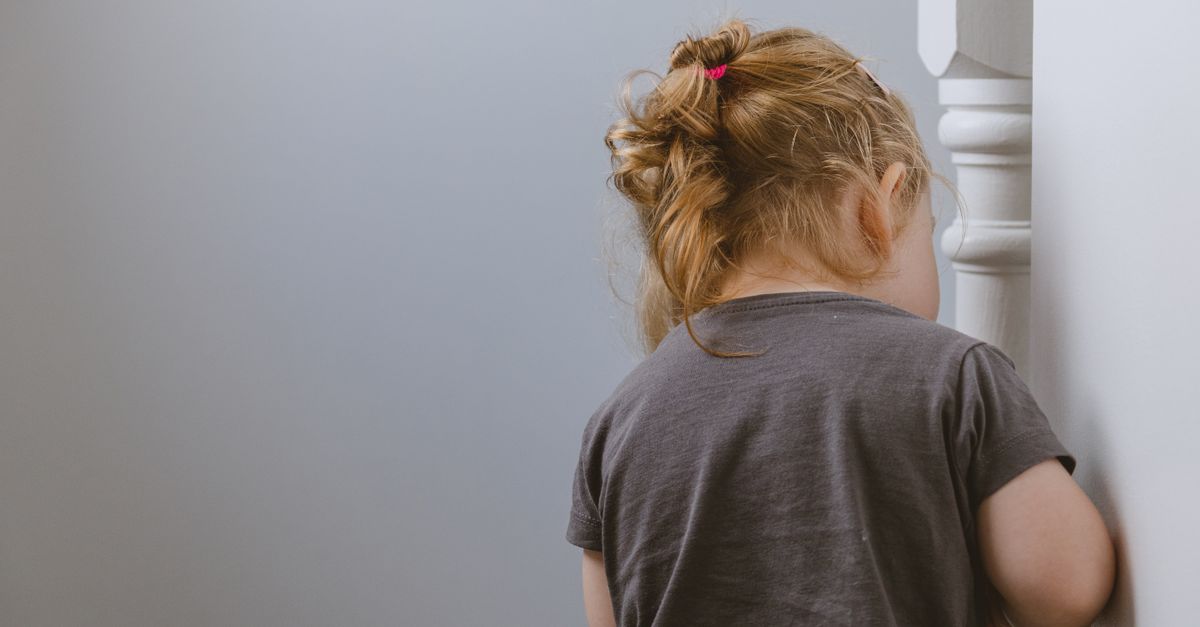
Specific phobia presents as an immediate fear response to a circumscribed trigger, with anticipatory anxiety, active avoidance and somatic signs.
The core presentation is an immediate fear response upon exposure to the phobic stimulus, accompanied by anticipatory anxiety when the encounter is anticipated. The child actively avoids the trigger or endures it with intense distress. Somatic signs are common; for the blood-injection-injury specifier, a vasovagal (fainting) response is a clinically relevant feature. Common specifiers include:
- Animal — insects, dogs, spiders and other animals
- Natural environment — heights, storms, water
- Blood-injection-injury — needles, medical procedures, blood; possible vasovagal response
- Situational — enclosed spaces, the dark, flying
- Other — costumed characters, loud sounds, vomiting
Specific phobia vs developmental fears
Many fears are normal and transient in childhood; a phobia is excessive, persistent and impairing.
Fear is a developmentally normal response across childhood — fear of the dark, strangers or loud noises is typical and usually transient. The clinical threshold is crossed when the fear is excessive (out of proportion to actual danger), persistent (present for ≥6 months), and impairing (interferes with school, social activities or family life). Unlike transient developmental fears, phobic avoidance does not resolve with reassurance alone and tends to become more entrenched over time as avoidance prevents corrective learning.
Differential diagnosis
Specific phobia is distinguished from other anxiety and related conditions that share avoidance or fear as a feature.
- Generalised anxiety disorder (GAD): worries in GAD span multiple domains of everyday life rather than a circumscribed object or situation.
- Social anxiety disorder: fear centres on social evaluation and scrutiny, not a specific non-social stimulus.
- Separation anxiety disorder: distress arises from separation from attachment figures rather than from the feared object itself.
- Panic disorder: unexpected panic attacks not reliably tied to a specific cue are the hallmark; in specific phobia, panic-like responses are situation-bound.
- PTSD: fear and avoidance are linked to a traumatic event; if the phobic trigger is trauma-associated, PTSD should be considered.
Common comorbidities
Multiple specific phobias frequently co-occur; other anxiety disorders are the most common comorbidities. Because overlapping presentations are common, assessment should screen for the full anxiety profile and consider whether additional conditions are contributing to impairment.
Onset, course & epidemiology
Specific phobia typically begins in early childhood and is among the most common anxiety disorders in youth.
Onset is typically in early childhood, often precipitated by a direct aversive experience (classical conditioning), observation of another person’s fear (modelling), or verbal threat information. Specific phobia is one of the most prevalent anxiety disorders in children; many cases persist if avoidance goes unchallenged, as avoidance prevents the corrective learning that would otherwise attenuate the fear response. Early professional assessment and treatment are therefore clinically important.
Causes & maintaining factors (CBPT conceptualization)
Specific phobia develops through conditioning, modelling and information transmission; avoidance negatively reinforces and maintains it.
Three acquisition pathways are recognised in the evidence base. Classical conditioning: a direct aversive encounter with the stimulus establishes the fear response. Modelling: observing a significant other react fearfully to the same stimulus transmits the fear association. Information transmission: receiving verbal warnings or threat information about the stimulus can establish fear without direct exposure.
In the CBPT conceptualization, avoidance is the central maintaining factor: by avoiding the feared stimulus, the child never encounters the evidence that the feared outcome is unlikely, so the fear association is preserved and strengthened. CBPT targets this mechanism directly, using graded in-vivo and imaginal exposure rehearsed within play to update the fear learning, rebuild approach behaviour and restore the child’s engagement with the avoided situation.
The CBPT treatment protocol
A structured, brief and goal-oriented pathway for delivering cognitive behavioral therapy for specific phobia through play: from shared therapeutic goals, through the child’s five-phase graded-exposure work, to the parallel parent-training track and the change clinicians can expect to see.
Therapeutic goals
CBPT is well suited to specific phobia treatment because it builds approach behaviour and fear tolerance through play-based graded exposure.
In CBPT, goal-setting is shared with the child and family. The aim is to teach skills that help the child understand, think about, interpret and respond effectively to the feared stimulus — replacing avoidance with graduated approach. In the context of specific phobia, the protocol generally pursues:
- developing emotion-regulation and distress-tolerance capacities;
- direct teaching of anxiety-management and coping techniques;
- graded exposure to the feared stimulus through play;
- psychoeducation for both parents and child.
Crucially, both parents and child should start from the awareness that the child is not responsible for the disorder, that symptoms are separate from who the child is, and that all stakeholders — parents, teachers and therapists — share responsibility for addressing the current struggles.
Working with the child — phase by phase

The intervention is organised into five sequential phases, from orientation to follow-up.
Orientation Phase
The initial phase of CBPT places significant emphasis on preparing both the child and the parents. An initial meeting between therapist and parents — without the child — reviews the child’s history and background in detail and lets parents share their perception of the problem. The therapist helps parents prepare the child for the first session and explains the ongoing role of parents and other significant adults across assessment and treatment. In this phase, safety and rapport are established and the “fear thermometer” is introduced through play as a shared language for the child’s distress levels.
Assessment Phase
This phase collects the information needed to establish shared, goal-oriented therapy targets. Beyond interviews with parents, structured observation of the child’s play is a key element. The individualised fear hierarchy is built collaboratively, avoidance behaviour is baselined, and the phobia specifier (animal, natural environment, blood-injection-injury, situational, other) is identified. Questionnaires administered to parents and a puppet sentence-completion task let the child reveal thoughts and feelings indirectly; this information feeds directly into case conceptualisation.
Case Conceptualization Phase
CBPT analyses the data gathered during assessment to plan effective treatment and provide a logical structure for developing and achieving goals. The trigger → fear response → avoidance chain is mapped for this specific child: the acquisition pathway (conditioning, modelling or information), the maintaining avoidance pattern, and the protective and risk factors that sustain or could ameliorate the fear. This conceptualization directly informs the graded exposure hierarchy used in the Intervention Phase.
Intervention Phase
This phase uses CBT techniques to help the child develop more adaptive responses to the feared stimulus. Graded in-vivo and imaginal exposure steps are rehearsed in play — using therapeutic storytelling, puppets, drawing and role-play — while coping skills and reinforcement of approach behaviour are built systematically. The fear hierarchy guides the sequence of exposures, moving from lower to higher steps as the child consolidates mastery; regular parent meetings monitor progress and support the elimination of accommodating avoidance at home.
Conclusion Phase
Both child and family are actively involved in the final phase. Mastery over the previously avoided situations is consolidated and generalised to real-world settings; relapse-prevention strategies are reviewed. The child addresses feelings related to ending therapy while the therapist highlights the changes achieved. Final sessions are spaced progressively, follow-ups are scheduled at 3, 6, 12 and 24 months, and positive reinforcement is provided for continued approach behaviour between sessions.
Learn to deliver every phase in session
Master the five-phase clinical sequence with the child — the play-adapted CBT techniques, graded exposure, the fear hierarchy, the in-session sequencing and the assessment battery — under the scientific direction of Maria A. Geraci and Susan M. Knell.
Get the complete in-session protocolThe structured 16-week treatment protocol
For specific phobia, the CBPT protocol is typically organised across roughly 16 weeks of graded exposure work.
Each session follows a consistent structure: review of the previous week, reaffirmation of goals, presentation of new information, selection of exposure targets from the fear hierarchy, practice of coping skills, and assignment of between-session activities. A common arrangement progresses from psychoeducation and hierarchy building through systematic exposure to consolidation and relapse prevention. The intervention is reinforced by a Playbook: a family resource of weekly play-based activities, a copy of the treatment plan and the therapeutic agenda, plus worksheets to monitor avoidance and track approach behaviour. The Playbook becomes the family’s transitional object, carrying therapy skills into the child’s everyday world.
Working with the family — parent training
While the child follows the five-phase CBPT protocol, parents follow a parallel five-phase training programme.
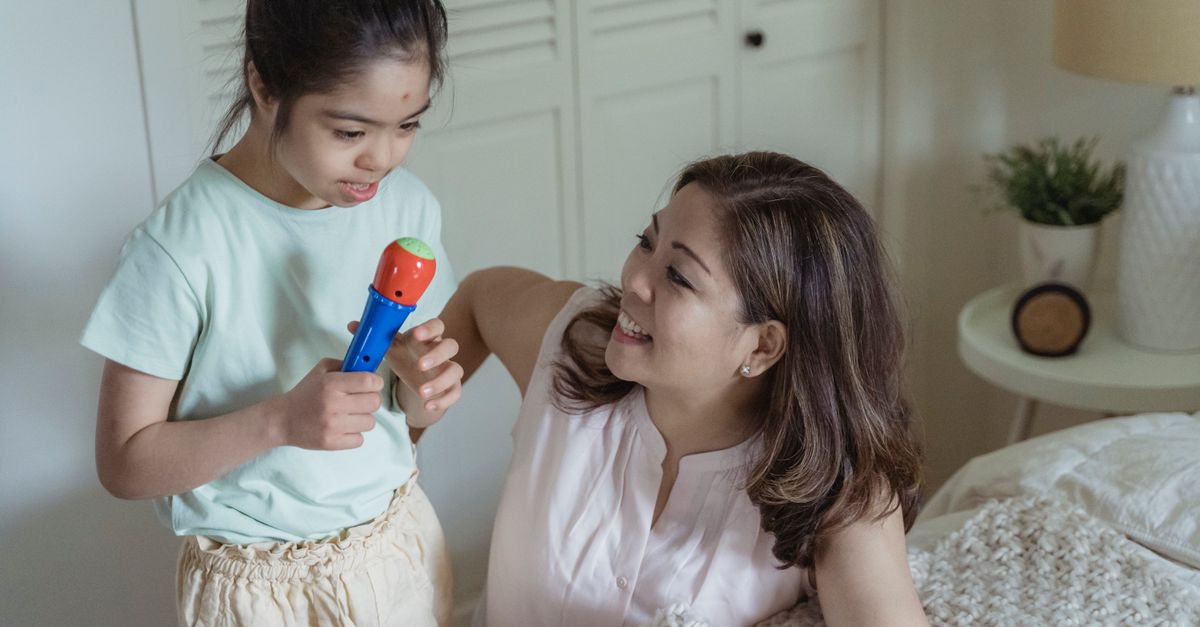
A competence-based pathway brings parents into the playroom to shape adaptive behaviours.
Parent Training is a competence-based intervention model that assumes families are capable of managing the problem, that every family has strengths, and that parents can learn new skills. Integrated into CBPT, it brings parents into the playroom to observe and progressively implement interventions that shape adaptive behaviours in the presence of the therapist, aiming to modify relational styles and attitudes that negatively affect children’s behaviour.
Parents are coached to support graded exposure and stop accommodating avoidance — without coercion — while understanding behaviour-management strategies that enhance self-esteem alongside the principles of a collaborative problem-solving approach (Greene) that respects both the parent’s and the child’s point of view.
Through this approach, parents have the opportunity to:
- Learn new skills.
- Acquire and practise specific techniques.
- Receive individualised, ongoing feedback from the therapist to increase their awareness.
- Interpret more accurately their children’s emotions, concerns and communication expressed through play.
This program, called PARENT TRAINING CBPT, follows an integrated and innovative approach. Although the primary work is with the child, periodic meetings with parents are essential during both assessment and treatment: this pathway runs parallel to the child’s therapy, emphasising the role parents play in influencing maladaptive behaviours. Parents are encouraged to reinforce adaptive child behaviours so treatment continues outside the therapy setting (using appropriate reinforcement for adaptive behaviours and extinction for maladaptive ones).

The parent-training pathway — five phases
Assessment
The problem is analysed, parenting style is adapted and therapeutic goals are defined. Parents receive information about the causes and consequences of their child’s dysfunctional behaviours and learn to establish clear, consistent rules.
Learning
This phase teaches the new skills needed to support change. Parents learn and practise specific techniques through role-play sessions in which the therapist acts as the child. Key targets include:
- mastery of prerequisites;
- modeling of skills;
- role-playing;
- errorless learning;
- successive approximations (shaping);
- feedback (verbal and social reinforcers, token economy);
- repeated practice.
Practice
Parents carry out play sessions with their own children to apply the skills learned, recognising and preventing situations that trigger difficult behaviours and using consistent problem-solving strategies across contexts. After initial practice with the therapist, parents begin to run individual play sessions under supervision.
Review
Parents discuss at length with the therapist the home play sessions to learn how to generalise what they have learned. Strengths and any problems are reviewed; the therapist helps generalise the interventions and parenting skills acquired. Each week, time is dedicated to applying techniques in everyday life and homework is assigned to practise the strategies.
Conclusion
Reached when therapeutic goals have been met and parents have achieved a satisfactory level of competence in play activities and parenting skills. Therapy is tapered gradually, reducing session frequency to every other week, then monthly, and so on.
Objectives of parent training — specific goals
This program helps parents interact effectively with their child by developing functional behavioural and communicative habits and techniques, removing the conditions that give rise to problem behaviours and replacing them with adaptive, socially desirable conduct.
Understanding behaviour
Increase understanding of the child’s problematic behaviour.
Realistic expectations
Set more realistic expectations.
Warmth & acceptance
Increase warmth, trust and acceptance toward the child.
The value of play
Recognise the importance of interaction through play.
Effective communication
Communicate more effectively with their children.
Parental confidence
Develop greater confidence and reduce frustrations experienced with their children.
Patience
Cultivate greater patience to create more realistic expectations.
Self-understanding
Discuss personal reactions with the therapist to understand their own feelings and behaviours.
Problem solving
Become effective problem solvers of family conflicts and develop stronger motivation for change.
The course includes the full parent-training pathway
Deliver the integrated parent-training track alongside the child’s protocol — the five parent-track phases, the competence-based model and the Playbook structure that carries change beyond the playroom.
Start the Anxious & Fearful Children courseWhat change looks like
As graded exposure rebuilds approach behaviour, avoidance loosens its grip and the child’s world expands.

Through graded exposure delivered in play, the child learns that anxiety diminishes when the feared stimulus is approached rather than avoided, and the avoidance cycle weakens. As emotion-regulation and coping skills grow — and with parents supported to stop accommodation — progress reaches beyond the therapy room into school and everyday life, with follow-ups confirming that the gains hold.
Train in the full assessment-and-treatment protocol for specific phobia in children.
Train in the CBPT protocol — Anxious & Fearful Children courseSpecific phobia & CBPT: clinical FAQ
When does a childhood fear become a specific phobia?
When it is marked (intense, out of proportion to actual danger), out of proportion, persists ≥6 months, is actively avoided or endured with intense distress, and impairs functioning in school, social or family domains. Transient developmental fears — which are common across childhood — resolve without specialist intervention; a phobia does not, and typically entrenches further as avoidance prevents corrective learning.
Why is graded exposure central to specific phobia treatment?
Avoidance maintains phobias: by not encountering the feared stimulus, the child never learns that the feared outcome is unlikely, so the fear association is preserved. Structured, repeated approach in a safe, playful frame allows new (safety) learning to override the fear association. Graded exposure — moving systematically through a fear hierarchy from lower to higher items — is therefore the core mechanism of change in the CBPT protocol for specific phobia.
How is play used with young children who cannot do formal exposure?
Play provides a developmentally appropriate vehicle for fear hierarchy work, symbolic rehearsal and reinforcement of approach. Therapeutic storytelling, puppets that confront the feared stimulus, drawing and role-play allow the child to approach the feared thing at a level they can tolerate, building mastery before in-vivo exposures. For the youngest children, imaginal and symbolic exposure within play is often the entry point into the hierarchy.
What is the family’s role in specific phobia treatment?
Parents are coached to support graded exposure and stop accommodating avoidance — without coercion. Accommodation (e.g., removing the feared stimulus from the child’s environment, allowing avoidance) maintains the phobia as reliably as the child’s own avoidance does. The CBPT parent-training track teaches parents the skills to become active agents of change: reinforcing approach behaviour, running supervised home exposure activities and using the Playbook to carry gains into daily life.
How long is specific phobia treatment in CBPT?
The protocol is organised across roughly 16 weeks, individually tailored to the child’s fear hierarchy, phobia specifier and pace of exposure. Many specific phobias respond well to focused, graded exposure-based work; the Anxious & Fearful Children course, under the scientific direction of Maria A. Geraci and Susan M. Knell, provides the full in-session protocol and clinical rationale.
Train in the full protocol
Master the complete CBPT assessment-and-treatment protocol for specific phobia in childhood — five clinical phases, graded exposure through play, and the parent-training pathway.
Enrol in the Anxious & Fearful Children courseBibliography
The clinical framework, assessment battery and phase-by-phase protocol described above are grounded in the CBPT literature and in DSM-5 / DSM-5-TR, under the scientific direction of Maria A. Geraci and Susan M. Knell.
- American Psychiatric Association (2022). Diagnostic and Statistical Manual of Mental Disorders, Fifth Edition, Text Revision (DSM-5-TR).
- Geraci M. A. (2022). La play therapy cognitivo-comportamentale. Armando Editore. Roma
- Geraci M. A. (2023). Comprendere il mondo dei bambini giocando. Armando Editore. Roma
- Geraci M. A. (2024). Il mondo della dottoressa Lulù. Collana Amazon - CBPT Books.
- Greene, R. W. (2014). The Explosive Child (collaborative problem-solving approach).
- Knell S. M. (1993). Cognitive Behavioral Play Therapy. J. Aronson.
CBPT Research Center — Training Programme
Professional Training in CBPT for Specific Phobia
The CBPT Research Center develops and delivers evidence-based postgraduate training for psychologists, psychotherapists and clinical specialists. Our certified curriculum includes a dedicated module on the CBPT approach to Specific Phobia, grounded in peer-reviewed research and clinical practice.
View the training curriculumThe in-session protocol
Skills you can apply in session — under the scientific direction of Susan M. Knell, originator of CBPT.