Generalized anxiety disorder in children: the CBPT assessment & treatment protocol
A practitioner’s guide to recognising excessive, hard-to-control worry in childhood and treating it with Cognitive Behavioral Play Therapy — under the scientific direction of Maria A. Geraci and Susan M. Knell.
Train in the CBPT protocol for childhood anxietyScientific direction: Maria A. Geraci and Susan M. Knell
Five-phase clinical pathway
For child psychotherapists
For an anxious child, worry is not a choice — it is the mind trying to stay safe. Play gives that worry a shape the child can finally work with.
— CBPT Research Center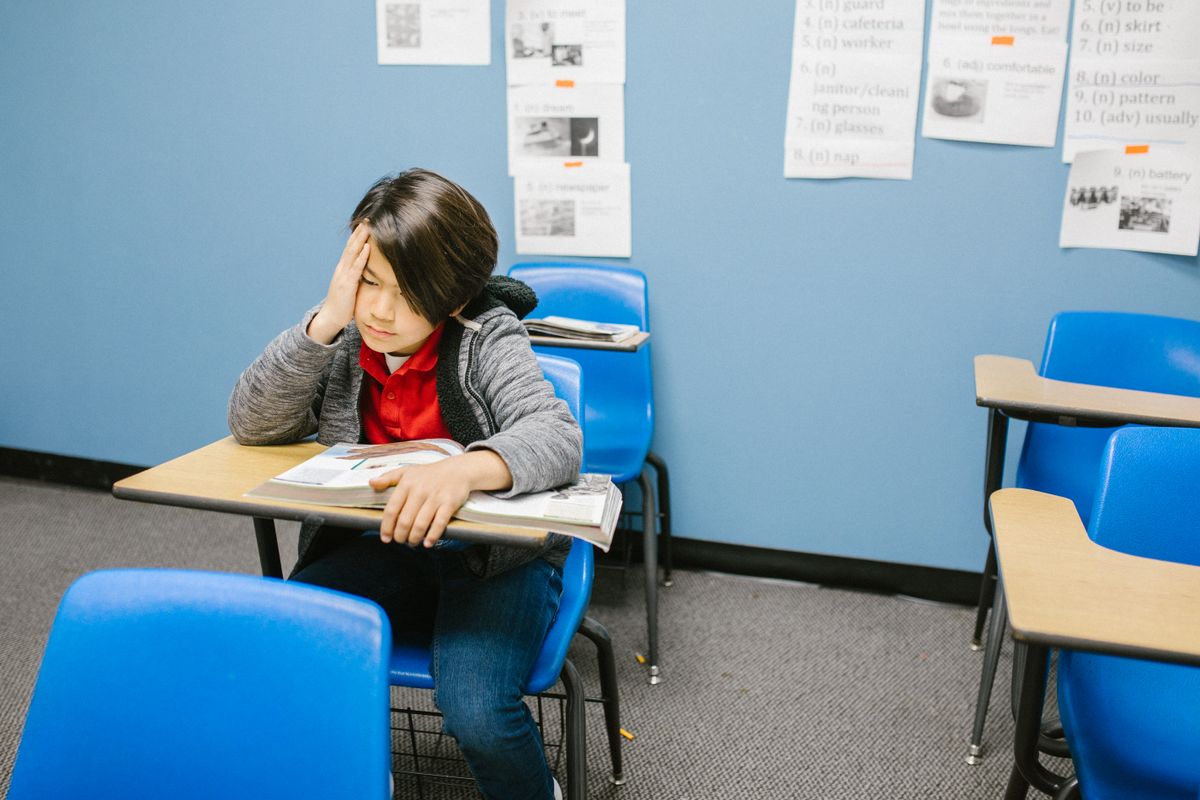
When worry never switches off
GAD in children is an anxiety disorder characterised by excessive, diffuse worry that is difficult to control — not ordinary concern, not a phase.
Children with GAD carry a diffuse, future-oriented dread that moves from topic to topic — school, health, family, performance, world events. The worry is disproportionate, persistent and difficult to control, and it shows up in the body long before the child can name it: stomach aches, headaches, restlessness, trouble sleeping, irritability.
“What if something bad happens and I didn’t think about it enough?”
Understanding GAD in children
A clinical overview: what generalized anxiety disorder is, how its symptoms present, when it begins, and the factors that cause and maintain it.
Anxiety disorder (DSM-5-TR)
Excessive, hard-to-control worry across multiple domains for ≥6 months
Gradual onset in middle childhood or early adolescence
≥1 associated symptom in children (vs ≥3 in adults)
Reassurance-seeking, perfectionism, somatic complaints, avoidance of uncertainty
Tends to be chronic and fluctuating; impairs school, social and family functioning
What is GAD? (DSM-5-TR definition)
Excessive anxiety and worry occurring more days than not for at least 6 months, about a number of events or activities; the worry is difficult to control.
Generalized anxiety disorder is defined in the DSM-5-TR (APA, 2022) by excessive anxiety and worry occurring more days than not for at least 6 months, about a number of events or activities. The worry is difficult to control and is associated with at least one additional symptom in children — the adult threshold requires three or more. The condition causes clinically significant distress or impairment in social, school or other important areas of functioning, and is not better explained by another disorder, a substance or a general medical condition. For the clinician, the central challenge is that the worry in GAD is pervasive and domain-spanning rather than tied to a single trigger, making it harder to isolate and address than circumscribed fears.

Symptoms & presentation
GAD symptoms span cognitive, behavioural and physiological domains and are often first noticed through somatic complaints.
The DSM-5-TR lists six associated symptoms, of which children need to meet at least one: restlessness or feeling on edge; being easily fatigued; difficulty concentrating or mind going blank; irritability; muscle tension; sleep disturbance. In clinical practice, children with GAD commonly present additional features:
- Reassurance-seeking from parents, teachers or caregivers
- Perfectionism and excessive self-criticism
- Somatic complaints (stomach aches, headaches) without a medical basis
- Avoidance of situations involving uncertainty or potential negative outcomes
- Difficulty tolerating not knowing the outcome of future events
- Irritability and sleep difficulties that are attributed to other causes
GAD vs everyday childhood worry
Clinically significant GAD is distinguished from the normal worries of childhood by pervasiveness, severity and functional impact.
All children worry. Normal worries are situational, proportionate and pass with reassurance or with the resolution of the triggering event — a test, a new social situation, a family change. GAD worry is pervasive across multiple domains, excessive relative to what is realistically likely, hard to switch off even with reassurance, and interferes meaningfully with daily functioning at school and home. The differential rests on the breadth and chronicity of the worry, on how difficult it is to control, and on the distress and impairment it produces. Somatic complaints and reassurance-seeking that recur across settings are useful clinical markers when evaluating whether the threshold has been crossed.
Differential diagnosis
GAD in children is distinguished from other conditions that share features of anxiety and worry.
- Separation anxiety disorder: worry is focused specifically on attachment figures and on separation from caregivers, rather than spanning multiple life domains as in GAD.
- Social anxiety disorder: fear centres on social evaluation and embarrassment in performance or social situations, rather than on general future events across domains.
- Specific phobia: fear is circumscribed to a specific object or situation and does not produce the free-floating, multi-domain worry characteristic of GAD.
- OCD: intrusive obsessions are linked to repetitive compulsions performed to neutralise them; GAD worry is not driven by obsessions and is not neutralised by rituals.
Common comorbidities
GAD in childhood frequently co-occurs with other anxiety disorders (separation anxiety, social anxiety, specific phobia), with depressive disorders, and with ADHD. Somatic symptoms without a medical explanation are particularly common. Because these conditions shape both presentation and treatment response, assessment should screen for co-occurring anxiety, depressive and attentional difficulties so that the clinical formulation addresses the full picture.
Onset, course & epidemiology
GAD onset is often gradual, appearing in middle childhood or early adolescence, and tends to follow a chronic, fluctuating course when untreated.
GAD onset in childhood is characteristically gradual rather than acute, often emerging in middle childhood or early adolescence and persisting through development. Among anxiety presentations in youth it is one of the more prevalent, though prevalence estimates vary with case definitions and methodology. When untreated, the course tends to be chronic and fluctuating: worry domains may shift over time, and the disorder can persist or transition into adult GAD or other anxiety and mood disorders. Early identification is complicated by the fact that the worry can be mistaken for conscientiousness or concern, and somatic complaints may first be investigated medically before reaching mental health services.
Causes & maintaining factors (CBPT conceptualization)
GAD arises from an interaction of temperamental, cognitive and environmental factors; avoidance and reassurance-seeking maintain the worry cycle.
Three groups of factors are generally identified. Temperamental factors: behavioural inhibition and intolerance of uncertainty are among the strongest temperamental predictors; children who experience negative emotionality early in development are at elevated risk. Cognitive and environmental factors: learned associations, modelled anxiety from caregivers and the reinforcement of avoidance and reassurance-seeking sustain the worry cycle. Physiological arousal: chronic activation of the threat-response system contributes to the somatic symptoms that keep worry salient and difficult to dismiss.
In the CBPT conceptualization, the worry cycle — trigger → catastrophic thought → somatic arousal → avoidance or reassurance-seeking → temporary relief → strengthened worry — is the central maintaining mechanism. CBPT targets that cycle directly: the cognitive component (worried self-talk, intolerance of uncertainty), the behavioural component (avoidance, reassurance) and the physiological component (arousal, somatic tension) are each addressed through developmentally appropriate, play-based techniques.
The CBPT treatment protocol
A structured, brief and goal-oriented pathway for delivering cognitive behavioral therapy for GAD through play: from shared therapeutic goals, through the child’s five-phase work with worry exposure and coping-skill building, to the parallel parent-training track and the change clinicians can expect to see.
Therapeutic goals
CBPT is well suited to GAD treatment because it addresses the cognitive, behavioural and physiological components of the worry cycle within a developmentally appropriate, play-based framework.
In CBPT, goal-setting is shared with the child and family. The aim is to teach skills that help the child understand, think about, interpret and respond effectively to uncertain events — escaping the avoidance and reassurance patterns that maintain excessive worry. In the context of generalized anxiety disorder, the protocol generally pursues:
- developing emotion-regulation and distress-tolerance capacities;
- direct teaching of anxiety-management, relaxation and self-regulation techniques;
- developing problem-solving skills and coping self-talk;
- psychoeducation for both parents and child about the nature of worry.
Crucially, both parents and child should start from the awareness that the child is not responsible for the disorder, that worry symptoms are separate from who the child is, and that all stakeholders — parents, teachers and therapists — share responsibility for addressing the current struggles.
Working with the child — phase by phase

The intervention is organised into five sequential phases, from orientation to follow-up.
Orientation Phase
The initial phase of CBPT places significant emphasis on preparing both the child and the parents. An initial meeting between therapist and parents — without the child — reviews the child’s history and background in detail and lets parents share their perception of the problem. For GAD, this includes building safety and a shared language for “worry” using play metaphors such as the “worry monster”. The therapist helps parents prepare the child for the first session and explains the ongoing role of parents and other significant adults across assessment and treatment.
Assessment Phase
This phase collects the information needed to establish shared, goal-oriented therapy targets. Structured observation of the child’s play is a key element. For GAD, the assessment observes how worry shows up in play, establishes a baseline of avoidance and somatic signs, and incorporates parent and teacher input. Tools include questionnaires administered to parents, assessment of the child’s play, a puppet sentence-completion task and measures personalised by the therapist, allowing change to be evaluated objectively across treatment.
Case Conceptualization Phase
CBPT analyses the data gathered during assessment to plan effective treatment. For GAD, the conceptualization maps the worry cycle (trigger → thought → body response → avoidance/reassurance) for this specific child. It examines individual, relational and environmental factors related to the parents’ concerns, the child’s emotions, thoughts, physical sensations and coping strategies, alongside the protective, risk and maintaining factors that sustain the excessive worry.
Intervention Phase
This phase uses CBT techniques to help the child with GAD develop more adaptive responses to uncertainty and worry triggers. Graded exposure to uncertainty, coping self-talk, relaxation and problem-solving are rehearsed in play. Methods include modeling, role-playing, bibliotherapy, generalization and relapse prevention; traditional cognitive techniques are adapted through play tools such as drawing, expressive arts, therapeutic storytelling and puppets. Regular parent meetings continue to monitor progress and reduce accommodation patterns.
Conclusion Phase
Both child and family are actively involved in the final phase. The child consolidates the “worry toolkit” developed across treatment and addresses feelings related to ending therapy, while the therapist highlights the changes achieved. Relapse-prevention planning includes fading therapist support gradually, reinforcing the child’s sense of agency. Follow-ups are scheduled at 3, 6, 12 and 24 months to verify the effectiveness of the intervention.
Learn to deliver every phase in session
Master the five-phase clinical sequence with the child — the play-adapted CBT techniques, graded exposure to uncertainty, coping-skill rehearsal, the in-session sequencing and the assessment battery — under the scientific direction of Maria A. Geraci and Susan M. Knell.
Get the complete in-session protocolThe structured 16-week treatment protocol
For GAD, the protocol is organised across roughly 16 weeks, individualised to the child’s presentation and progress.
Each session follows a consistent structure: review of the previous week, reaffirmation of goals, presentation of new psychoeducational content, selection of worry-exposure targets, practice of coping strategies, and assignment of homework for the following week. The overall arc moves from:
- Early sessions — establishing a neurobehavioural structure; psychoeducation about anxiety and the worry cycle; introducing the “worry toolkit” metaphor;
- Middle sessions — generating a worry hierarchy; teaching relaxation and diaphragmatic breathing; beginning graded exposure to uncertainty with coping self-talk;
- Later sessions — consolidating problem-solving skills; addressing reassurance-seeking and avoidance; generalising gains to home and school;
- Parent–child sessions — integrated at key intervals to align home strategies with in-session work;
- Final session — graduation and relapse-prevention planning, with a booster session scheduled in the following months.
The intervention is reinforced by a Playbook: a family resource of weekly play-based activities, a copy of the treatment plan and the therapeutic agenda, plus worksheets to monitor worry frequency and intensity. The Playbook becomes the family’s transitional object, carrying therapy skills into the child’s everyday world.
Working with the family — parent training
While the child follows the five-phase CBPT protocol, parents follow a parallel five-phase training programme.
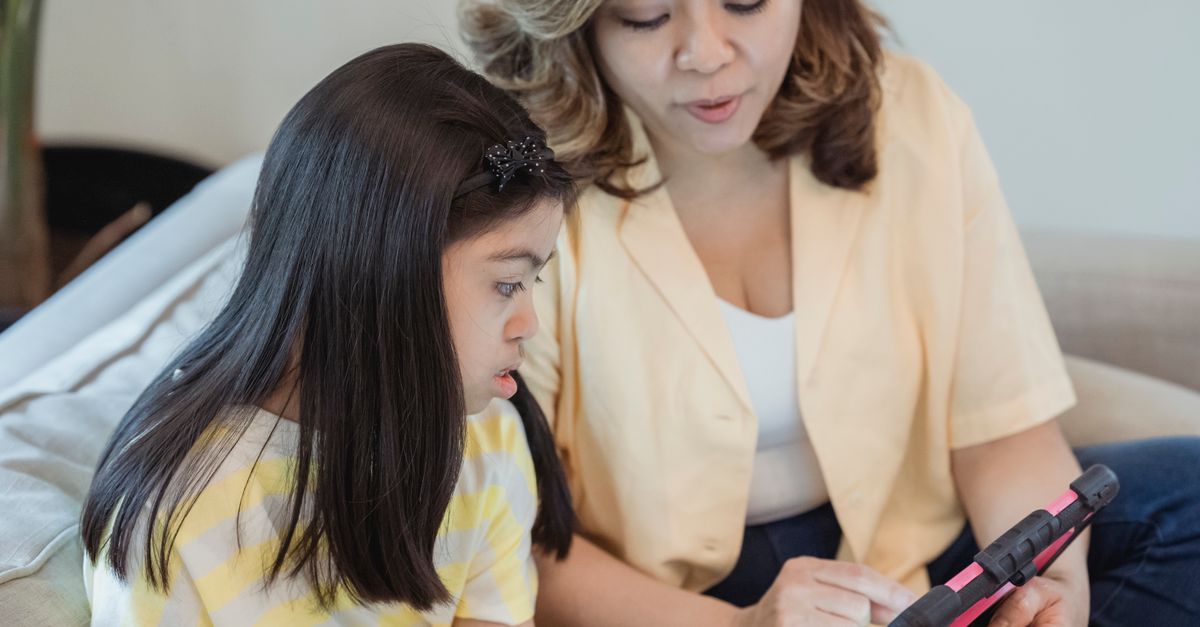
A competence-based pathway brings parents into the playroom to reduce accommodation and model adaptive coping.
Parent Training is a competence-based intervention model that assumes families are capable of managing the problem, that every family has strengths, and that parents can learn new skills. Integrated into CBPT, it brings parents into the playroom to observe and progressively implement interventions that reduce anxiety accommodation — the excessive reassurance-giving and avoidance facilitation that maintain GAD — and that shape adaptive coping in the presence of the therapist.
Parents are taught to understand the factors contributing to the child’s symptoms, the cues and events that trigger worry escalation, and behaviour-management strategies that build tolerance of uncertainty and enhance self-esteem rather than reinforcing avoidance — alongside the principles of a collaborative problem-solving approach (Greene) that respects both the parent’s and the child’s point of view.
Through this approach, parents have the opportunity to:
- Learn new skills.
- Acquire and practise specific techniques.
- Receive individualised, ongoing feedback from the therapist to increase their awareness.
- Interpret more accurately their children’s emotions, concerns and communication expressed through play.
This program, called PARENT TRAINING CBPT, follows an integrated and innovative approach. Although the primary work is with the child, periodic meetings with parents are essential during both assessment and treatment: this pathway runs parallel to the child’s therapy, emphasising the role parents play in reducing accommodation and supporting graded exposure at home. Parents are encouraged to reinforce adaptive child behaviours so treatment continues outside the therapy setting.

The parent-training pathway — five phases
Assessment
The problem is analysed, parenting style is adapted and therapeutic goals are defined. Parents receive information about the causes and consequences of their child’s dysfunctional behaviours and learn to establish clear, consistent rules.
Learning
This phase teaches the new skills needed to support change. Parents learn and practise specific techniques through role-play sessions in which the therapist acts as the child. Key targets include:
- mastery of prerequisites;
- modeling of skills;
- role-playing;
- errorless learning;
- successive approximations (shaping);
- feedback (verbal and social reinforcers, token economy);
- repeated practice.
Practice
Parents carry out play sessions with their own children to apply the skills learned, recognising and preventing situations that trigger difficult behaviours and using consistent problem-solving strategies across contexts. After initial practice with the therapist, parents begin to run individual play sessions under supervision.
Review
Parents discuss at length with the therapist the home play sessions to learn how to generalise what they have learned. Strengths and any problems are reviewed; the therapist helps generalise the interventions and parenting skills acquired. Each week, time is dedicated to applying techniques in everyday life and homework is assigned to practise the strategies.
Conclusion
Reached when therapeutic goals have been met and parents have achieved a satisfactory level of competence in play activities and parenting skills. Therapy is tapered gradually, reducing session frequency to every other week, then monthly, and so on.
Objectives of parent training — specific goals
This program helps parents interact effectively with their child by developing functional behavioural and communicative habits and techniques, removing the conditions that give rise to problem behaviours and replacing them with adaptive, socially desirable conduct.
Understanding behaviour
Increase understanding of the child’s problematic behaviour.
Realistic expectations
Set more realistic expectations.
Warmth & acceptance
Increase warmth, trust and acceptance toward the child.
The value of play
Recognise the importance of interaction through play.
Effective communication
Communicate more effectively with their children.
Parental confidence
Develop greater confidence and reduce frustrations experienced with their children.
Patience
Cultivate greater patience to create more realistic expectations.
Self-understanding
Discuss personal reactions with the therapist to understand their own feelings and behaviours.
Problem solving
Become effective problem solvers of family conflicts and develop stronger motivation for change.
The course includes the full parent-training pathway
Deliver the integrated parent-training track alongside the child’s protocol — the five parent-track phases, the competence-based model and the Playbook structure that carries change beyond the playroom.
Start the Anxious & Fearful Children courseWhat change looks like
As the child develops tolerance of uncertainty and coping skills, worry loses its grip and daily functioning improves.

Through graded exposure to uncertainty and the rehearsal of coping skills delivered in play, the child learns that worry subsides without avoidance or reassurance, and the worry cycle weakens. Greater tolerance of uncertainty, reduced reassurance-seeking and avoidance, fewer somatic complaints, improved sleep and functioning at school and home are the markers of progress. As emotion-regulation and problem-solving skills grow — and with parents supported throughout — progress reaches beyond the therapy room into daily life, with follow-ups confirming that the gains hold.
Train in the full assessment-and-treatment protocol for GAD in children.
Train in the CBPT protocol — Anxious & Fearful Children courseGAD & CBPT: clinical FAQ
How is GAD differentiated from separation or social anxiety in children?
By the focus and breadth of worry: GAD is free-floating across multiple domains — school performance, health, family safety, world events — whereas separation anxiety is tied specifically to attachment figures and social anxiety is tied to evaluation in social or performance situations. When worry spans several domains and is not anchored to a single trigger, GAD is the more appropriate conceptualisation.
Is play therapy evidence-aligned for childhood anxiety?
Cognitive Behavioral Play Therapy integrates the active ingredients of CBT for anxiety — psychoeducation, cognitive restructuring, graded exposure, relaxation and reinforcement — into a developmentally appropriate, play-based delivery. The protocol targets the cognitive (worried self-talk), behavioural (avoidance, reassurance-seeking) and physiological (arousal) components of GAD through play, consistent with the DSM-5-TR conceptualisation of the disorder. The training course details the protocol and its clinical rationale under the scientific direction of Maria A. Geraci and Susan M. Knell.
What role does the family play?
Parent training reduces accommodation — the excessive reassurance-giving and avoidance facilitation that maintain anxiety — and supports graded exposure at home. Parents follow a parallel five-phase competence-based programme alongside the child’s therapy, learning to reinforce adaptive coping, tolerate their own anxiety about the child’s worry, and generalise in-session gains to everyday situations.
How long is treatment?
The structured protocol is organised across roughly 16 weeks, individualised to the child’s presentation and progress. Sessions follow a consistent structure: review of the previous week, new psychoeducational content, worry-exposure practice, coping-skill rehearsal and homework. Parent sessions are integrated at key intervals. A booster session is scheduled in the months following conclusion to verify that gains are maintained.
What does change look like?
Greater tolerance of uncertainty, reduced reassurance-seeking and avoidance, fewer somatic complaints (stomach aches, headaches), improved sleep and improved functioning at school and at home. As the child learns that worry subsides without avoidance or reassurance, and develops a reliable coping toolkit, the worry cycle weakens and daily life becomes less restricted by anticipatory anxiety.
Train in the full protocol
Master the complete CBPT assessment-and-treatment protocol for childhood anxiety — five clinical phases, graded exposure to uncertainty through play, coping-skill rehearsal and the parent-training pathway.
Enrol in the Anxious & Fearful Children courseBibliography
The clinical framework, assessment battery and phase-by-phase protocol described above are grounded in the CBPT literature and in DSM-5 / DSM-5-TR, under the scientific direction of Maria A. Geraci and Susan M. Knell.
- American Psychiatric Association (2022). Diagnostic and Statistical Manual of Mental Disorders, Fifth Edition, Text Revision (DSM-5-TR).
- Geraci M. A. (2022). La play therapy cognitivo-comportamentale. Armando Editore. Roma
- Geraci M. A. (2023). Comprendere il mondo dei bambini giocando. Armando Editore. Roma
- Geraci M. A. (2024). Il mondo della dottoressa Lulù. Collana Amazon - CBPT Books.
- Greene, R. W. (2014). The Explosive Child (collaborative problem-solving approach).
- Knell S. M. (1993). Cognitive Behavioral Play Therapy. J. Aronson.
CBPT Research Center — Training Programme
Professional Training in CBPT for Generalized Anxiety Disorder
The CBPT Research Center develops and delivers evidence-based postgraduate training for psychologists, psychotherapists and clinical specialists. Our certified curriculum includes a dedicated module on the CBPT approach to Generalized Anxiety Disorder, grounded in peer-reviewed research and clinical practice.
View the training curriculumThe in-session protocol
Skills you can apply in session — under the scientific direction of Susan M. Knell, originator of CBPT.