Separation anxiety disorder in children: the CBPT assessment & treatment protocol
A practitioner’s guide to recognising developmentally inappropriate fear of separation in childhood and treating it with Cognitive Behavioral Play Therapy — under the scientific direction of Maria A. Geraci and Susan M. Knell.
Train in the CBPT protocol for separation anxietyScientific direction: Maria A. Geraci and Susan M. Knell
Five-phase clinical pathway
For child psychotherapists
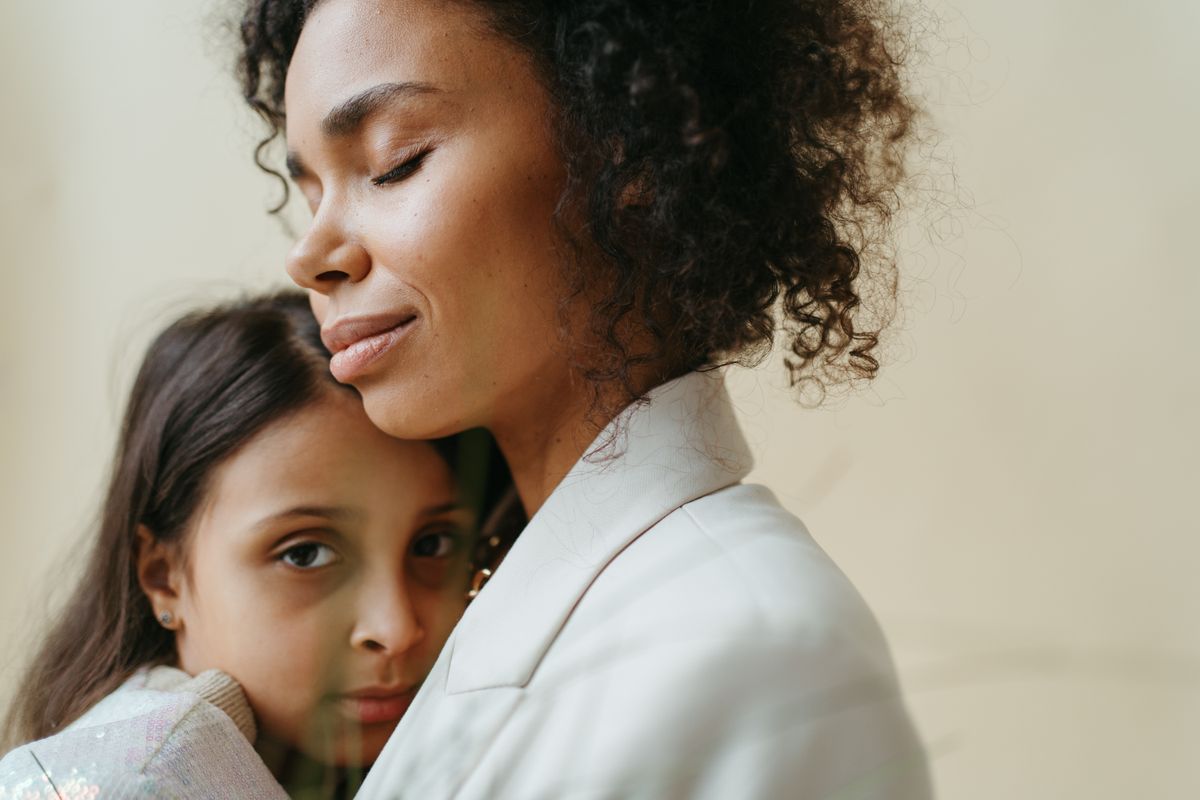
For a young child, the parent is the safe base from which the whole world becomes explorable. Play lets that child rehearse letting go, a little at a time.
— CBPT Research Center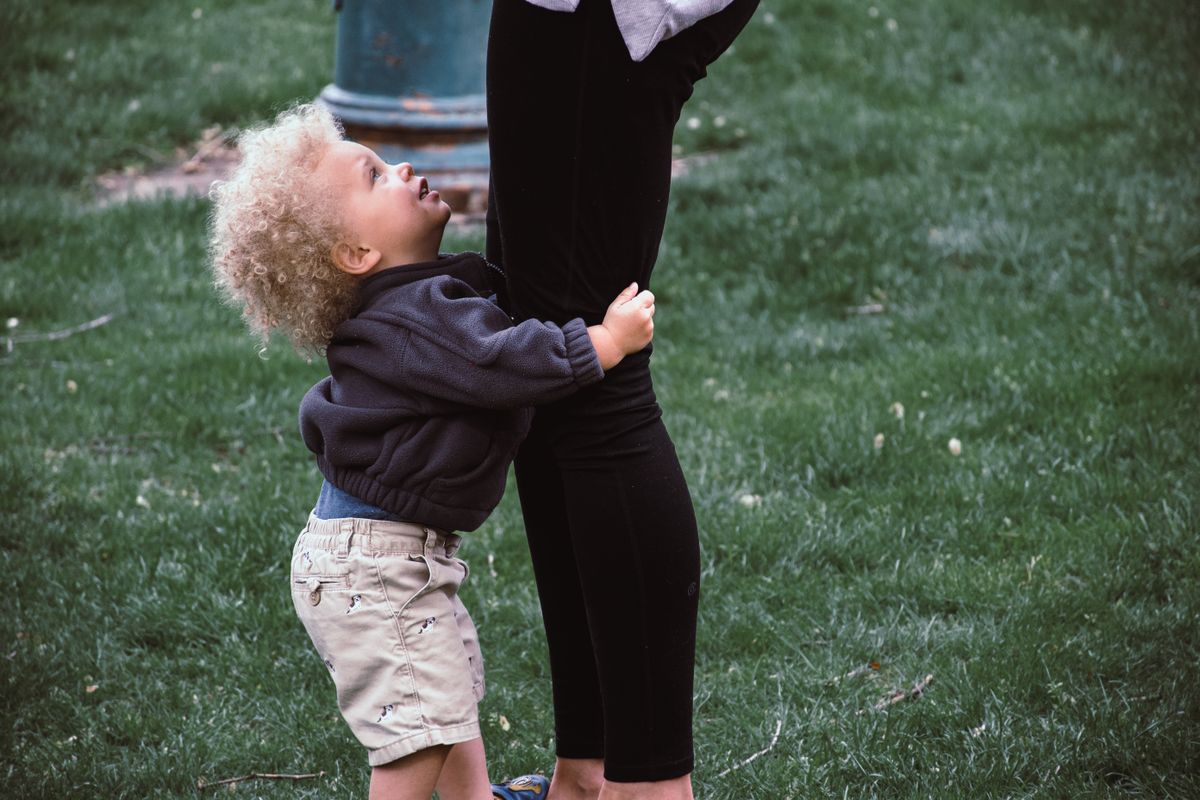
When letting go feels unbearable
Separation anxiety disorder in children is marked by fear or anxiety about separation from attachment figures that goes well beyond what is expected for the child’s developmental stage — not ordinary clinginess, not a passing phase.
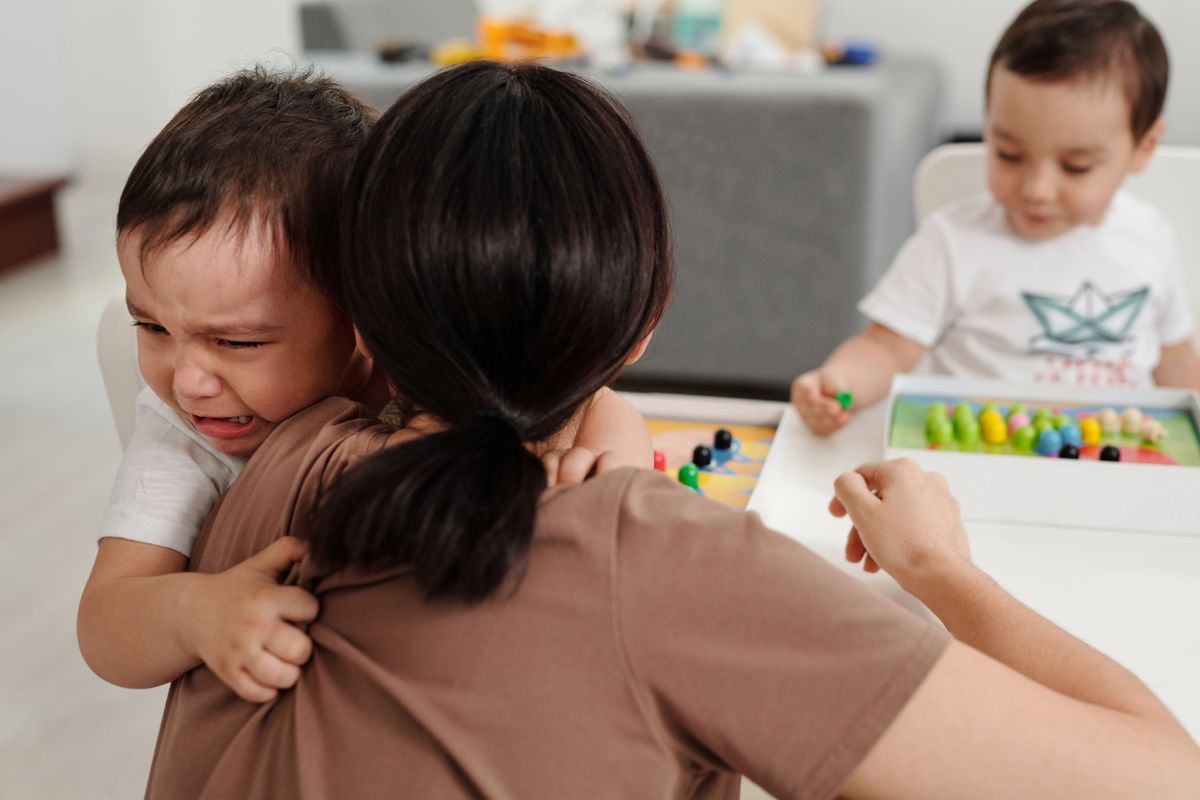
Children with separation anxiety disorder anticipate the worst the moment a parent is out of sight: that something terrible will happen to them, or to the person they are separated from. The fear shows up as crying at drop-off, refusal to be left with anyone else, reluctance to sleep alone, and physical complaints — stomach aches, headaches, nausea — that intensify as separation approaches.
“What if you don’t come back for me?”
Understanding separation anxiety in children
A clinical overview: what separation anxiety disorder is, how its symptoms present, when it begins, and the factors that cause and maintain it.
Anxiety disorder
Developmentally inappropriate, excessive fear or anxiety about separation from attachment figures
Can begin as early as preschool age; often follows a life stress or loss
≥3 of 8 characteristic symptoms; duration ≥4 weeks in children (vs typically ≥6 months in adults)
Clinging behaviour, school refusal, somatic complaints, separation-themed nightmares, reluctance to sleep alone
Often fluctuates through childhood; most children recover, though symptoms can persist into adolescence or adulthood
What is separation anxiety disorder? (DSM-5-TR definition)
Developmentally inappropriate and excessive fear or anxiety concerning separation from major attachment figures, evidenced by at least three characteristic symptoms lasting at least four weeks in children.
Separation anxiety disorder is defined in the DSM-5-TR (APA, 2022) as developmentally inappropriate and excessive fear or anxiety concerning separation from home or from major attachment figures. At least three of eight characteristic symptoms must be present: recurrent distress when separation is anticipated or occurs; excessive worry about losing an attachment figure or about harm befalling them; worry about events — getting lost, being kidnapped, having an accident — that would cause separation; reluctance or refusal to go to school or elsewhere because of fear of separation; persistent fear of being alone without an attachment figure; reluctance or refusal to sleep away from home or without an attachment figure nearby; repeated nightmares with separation themes; and repeated physical complaints when separation occurs or is anticipated. The disturbance must last at least four weeks in children and adolescents — typically six months or more in adults — and must cause clinically significant distress or impairment in social, academic or other important areas of functioning. It is not better explained by another condition, such as autism spectrum disorder, a psychotic disorder, agoraphobia, generalized anxiety disorder or illness anxiety disorder.
Symptoms & presentation
Separation anxiety symptoms span emotional, behavioural and physical domains, and often first appear as resistance at drop-off or at bedtime.
The DSM-5-TR lists eight characteristic symptoms, of which children need to show at least three:
- Recurrent excessive distress when separation from home or attachment figures is anticipated or occurs
- Persistent, excessive worry about losing attachment figures, or about illness, injury or harm befalling them
- Persistent worry about an event — getting lost, being kidnapped, having an accident — that would cause separation from an attachment figure
- Reluctance or refusal to go to school, work or elsewhere because of fear of separation
- Persistent fear of being alone or without a major attachment figure, at home or elsewhere
- Reluctance or refusal to sleep away from home or to fall asleep without an attachment figure nearby
- Repeated nightmares involving the theme of separation
- Repeated physical complaints — headaches, stomach aches, nausea, vomiting — when separation occurs or is anticipated
In clinical practice, children with separation anxiety disorder commonly present additional features:
- Social withdrawal, apathy or sadness when separated from attachment figures
- Age-related fears — animals, the dark, kidnappers, accidents — perceived as threats to the family
- Homesickness and marked discomfort away from home
- Anger or occasional aggression when separation is forced
- Unusual perceptual experiences at night (e.g. seeing figures at the window) that resolve once the attachment figure is present
- Demanding or intrusive behaviour, and a need for constant attention
Separation anxiety vs typical developmental worry
Some separation anxiety is a normal part of development; the disorder is distinguished by its intensity, persistence and functional impact.
Some separation anxiety is a normal, healthy part of development. Around age one, stranger and separation anxiety often signals a secure attachment relationship, and mild reluctance to separate is common well into the preschool years. Separation anxiety disorder is distinguished by its intensity, persistence and impact: the fear is disproportionate to any real danger, lasts at least four weeks, does not ease with the reassurance that typically settles a younger child, and meaningfully interferes with school attendance, sleep or family life. The differential rests on developmental appropriateness, duration and functional impairment, not on the presence of separation anxiety itself.
Differential diagnosis
Separation anxiety disorder is distinguished from other conditions that share features of anxiety and avoidance.
- Generalized anxiety disorder: worry spans multiple life domains, rather than centring specifically on separation from attachment figures.
- Panic disorder: panic attacks in separation anxiety disorder occur in anticipation of separation, not unexpectedly with fears of dying or “going crazy.”
- Agoraphobia: the fear concerns being away from attachment figures or places of safety, not being trapped or incapacitated.
- Conduct disorder: school avoidance is not driven by separation fears, and the young person typically stays away from — rather than returns to — home.
- Social anxiety disorder: school refusal is driven by fear of negative judgment by others, not by fear of separation.
- Posttraumatic stress disorder: central symptoms concern intrusions and avoidance tied to the traumatic memory itself, not worry about attachment figures’ safety.
- Illness anxiety disorder: the worry concerns the child’s own health, not separation from attachment figures.
- Prolonged grief disorder: yearning and sorrow are directed at someone who has died, rather than fear of separation from a living attachment figure.
- Depressive and bipolar disorders: reluctance to leave home reflects low motivation for engaging with the world, not fear of harm to attachment figures.
- Oppositional defiant disorder: oppositional behaviour occurs specifically around forced separation, rather than being a persistent, unrelated pattern.
- Psychotic disorders: unusual perceptual experiences in separation anxiety disorder are situational misperceptions that resolve when the attachment figure is present, unlike true hallucinations.
- Personality disorders: dependent personality disorder involves an indiscriminate reliance on others, and borderline personality disorder centres on fear of abandonment alongside identity and impulsivity difficulties — separation anxiety disorder’s concern is specifically the safety and proximity of attachment figures.
Common comorbidities
In children, separation anxiety disorder is highly comorbid with generalized anxiety disorder and specific phobia. In adults, common comorbidities include specific phobia, PTSD, panic disorder, generalized anxiety disorder, social anxiety disorder, agoraphobia, obsessive-compulsive disorder, prolonged grief disorder, and personality disorders — particularly dependent, avoidant and obsessive-compulsive (Cluster C) presentations. Assessment should screen broadly for co-occurring anxiety and mood difficulties so that treatment addresses the full clinical picture.
Onset, course & epidemiology
Onset can occur as early as preschool age and at any point through childhood; prevalence is around 4% in children and generally decreases through adolescence.
Onset can occur as early as preschool age and at any point through childhood and adolescence. The 6- to 12-month prevalence in children is estimated at approximately 4%; rates are similar between girls and boys in toddlers, though school-age girls show higher community prevalence than boys, while clinical samples show roughly equal rates. Twelve-month prevalence among adolescents in the United States is 1.6%, and prevalence generally decreases from childhood through adolescence and adulthood. In adults, 12-month prevalence in the United States ranges from 0.9% to 1.9%. The disorder typically follows a fluctuating course of exacerbation and remission. While most children are free of impairing anxiety disorders in the long term, in some cases the anxiety and avoidance persist into adulthood, where they can limit the ability to cope with change — moving, marriage, starting a family.
Causes & maintaining factors (CBPT conceptualization)
Separation anxiety disorder arises from an interaction of environmental, relational and biological factors.
Environmental factors: the disorder often develops following a significant life stress or loss — the death of a relative or pet, an illness, a change of school, parental divorce, a house move, immigration, or a disaster involving separation from attachment figures. Being bullied in childhood is also a recognised risk factor. Relational factors: a history of parental overprotection and intrusiveness is associated with separation anxiety disorder in both childhood and adulthood, and the pattern can be reinforced when attention and reassurance are given specifically for staying close to the parent. Genetic and physiological factors: separation anxiety disorder appears to be heritable — estimated at 73% in a community sample of six-year-old twins, with higher rates in girls — and tends to run in families. Children with the disorder also show heightened physiological sensitivity to respiratory stimulation, consistent with a lowered threshold for the body’s threat response.
In the CBPT conceptualization, the fear cycle — separation trigger → catastrophic thought → distress → clinging or avoidance → temporary relief → reinforced fear — is the engine that keeps separation anxiety disorder in place. Assessment and treatment target each point in this cycle so the child can tolerate separation without escalating distress.
The CBPT treatment protocol
A structured, brief and goal-oriented pathway for delivering cognitive behavioral therapy for separation anxiety disorder through play: from shared therapeutic goals, through the child’s five-phase work with separation exposure and coping-skill building, to the parallel parent-training track and the change clinicians can expect to see.
Therapeutic goals
CBPT is well suited to separation anxiety treatment because it addresses the behavioural, physiological and cognitive components of the fear cycle within a developmentally appropriate, play-based framework.
CBPT for separation anxiety disorder addresses the behavioural, physiological and cognitive components that keep the fear in place, through developmentally appropriate, play-based techniques:
- Modeling — a puppet or toy character demonstrates the feared separation and shows adaptive coping
- Contingency management — reinforcing adaptive, independent behaviour rather than clinging
- Shaping — building tolerance for separation in small, successive steps
- Extinction — gradually withdrawing attention that has reinforced separation-avoidant behaviour
- Systematic desensitization — a gradual, graded approach to the feared separation
- Exposure and response prevention — activating the feared situation while coaching a different, adaptive response
- Cognitive techniques — correcting maladaptive self-talk, building positive self-statements, and bibliotherapy
Crucially, both parents and child should start from the awareness that the child is not responsible for the disorder, that the fear of separation is separate from who the child is, and that parents, teachers and therapists share responsibility for addressing it together.
Working with the child — phase by phase
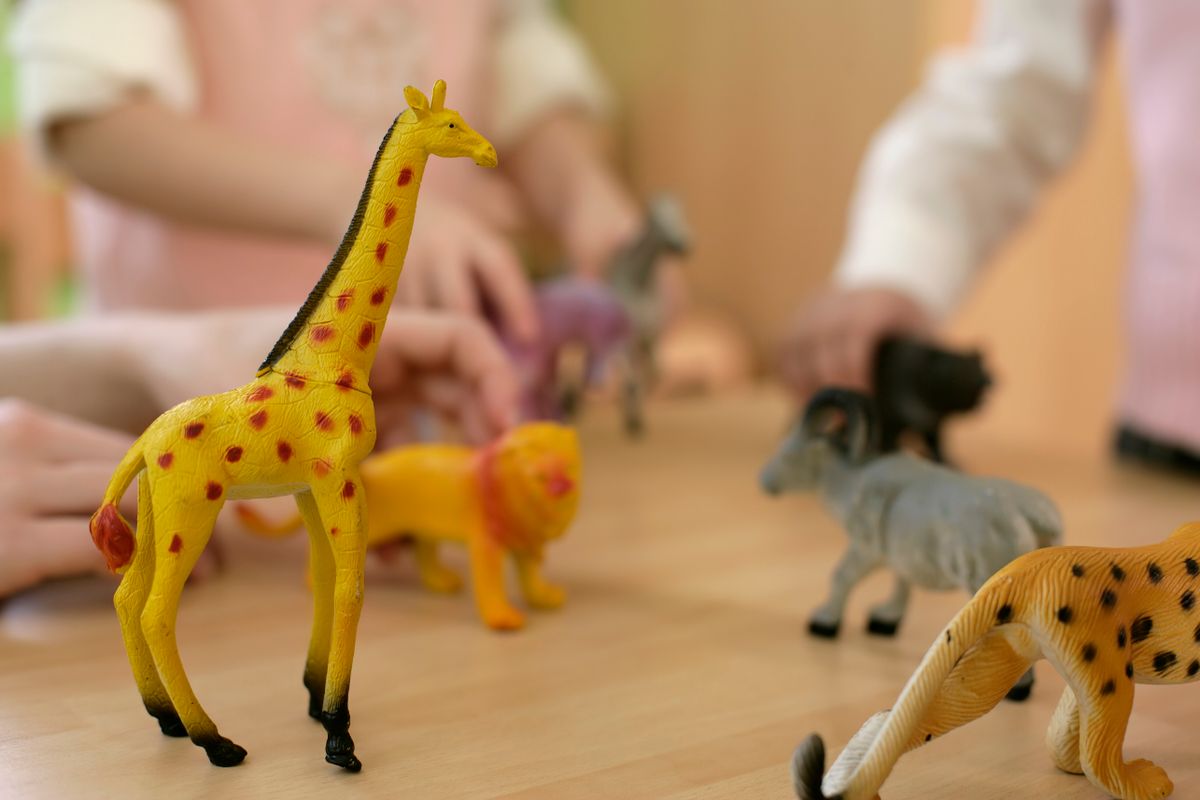
The intervention is organised into five sequential phases, from orientation to follow-up.
Orientation Phase
The initial phase of CBPT places significant emphasis on preparing both the child and the parents. An initial meeting between therapist and parents — without the child — reviews the child’s history and background in detail and lets parents share their perception of the problem. For separation anxiety disorder, this includes building safety and a shared language for the fear of separation using play metaphors such as a “coping backpack” the child carries when apart from a parent. The therapist helps parents prepare the child for the first session and explains the ongoing role of parents and other significant adults across assessment and treatment.
Assessment Phase
This phase collects the information needed to establish shared, goal-oriented therapy targets. Structured observation of the child’s play is a key element. For separation anxiety disorder, the assessment observes how separation fears show up in play, establishes a baseline of clinging, avoidance and somatic complaints, and incorporates parent and teacher input. Tools include questionnaires administered to parents, assessment of the child’s play, a puppet sentence-completion task and measures personalised by the therapist, allowing change to be evaluated objectively across treatment.
Case Conceptualization Phase
CBPT analyses the data gathered during assessment to plan effective treatment. For separation anxiety disorder, the conceptualization maps the fear cycle (separation trigger → catastrophic thought → distress → clinging or avoidance → temporary relief → reinforced fear) for this specific child. It examines individual, relational and environmental factors related to the parents’ concerns, the child’s emotions, thoughts, physical sensations and coping strategies, alongside the protective, risk and maintaining factors that sustain the excessive fear of separation.
Intervention Phase
This phase uses CBT techniques to help the child with separation anxiety disorder develop more adaptive responses to separation triggers. Graded separation exposure, coping self-talk, relaxation and problem-solving are rehearsed in play. Methods include modeling, role-playing, bibliotherapy, generalization and relapse prevention; traditional cognitive techniques are adapted through play tools such as drawing, expressive arts, therapeutic storytelling and puppets. Regular parent meetings continue to monitor progress and reduce accommodation patterns.
Conclusion Phase
Both child and family are actively involved in the final phase. The child consolidates the “coping toolkit” developed across treatment and addresses feelings related to ending therapy, while the therapist highlights the changes achieved. Relapse-prevention planning includes fading therapist support gradually, reinforcing the child’s sense of agency. Follow-ups are scheduled at 3, 6, 12 and 24 months to verify the effectiveness of the intervention.
Learn to deliver every phase in session
Master the five-phase clinical sequence with the child — the play-adapted CBT techniques, graded separation exposure, coping-skill rehearsal, the in-session sequencing and the assessment battery — under the scientific direction of Maria A. Geraci and Susan M. Knell.
Get the complete in-session protocolThe structured treatment protocol
The protocol is individualised to the child’s presentation and progress.
Each session follows a consistent structure: review of the previous week, reaffirmation of goals, presentation of new psychoeducational content, a graded separation target, practice of coping strategies, and assignment of homework for the following week. The overall arc moves from:
- Early sessions — psychoeducation about separation fear; introducing a shared “coping toolkit” metaphor;
- Middle sessions — building a hierarchy of separation situations; modeling and rehearsing coping self-talk; beginning graded separation practice;
- Later sessions — consolidating independence skills; reducing parental accommodation; generalising gains to school, sleep and other settings;
- Parent–child sessions — integrated at key intervals to align home strategies with in-session work;
- Final session — graduation and relapse-prevention planning, with a booster session scheduled in the following months.
The intervention is reinforced by a Playbook: a family resource of weekly play-based activities, a copy of the treatment plan and the therapeutic agenda, plus worksheets to track separation distress over time. The Playbook becomes the family’s transitional object, carrying therapy skills into everyday separations.
Working with the family — parent training
While the child follows the five-phase CBPT protocol, parents follow a parallel five-phase training programme.

A competence-based pathway brings parents into the playroom to reduce accommodation and model adaptive coping.
Parent Training is a competence-based intervention model that assumes families are capable of managing the problem, that every family has strengths, and that parents can learn new skills. Integrated into CBPT, it brings parents into the playroom to observe and progressively implement interventions that reduce anxiety accommodation — the excessive reassurance-giving and avoidance facilitation that maintain separation anxiety — and that shape adaptive coping in the presence of the therapist.
Parents are taught to understand the factors contributing to the child’s symptoms, the cues and events that trigger separation distress, and behaviour-management strategies that build the child’s independence and enhance self-esteem rather than reinforcing avoidance — alongside the principles of a collaborative problem-solving approach (Greene) that respects both the parent’s and the child’s point of view.
Through this approach, parents have the opportunity to:
- Learn new skills.
- Acquire and practise specific techniques.
- Receive individualised, ongoing feedback from the therapist to increase their awareness.
- Interpret more accurately their children’s emotions, concerns and communication expressed through play.
This program, called PARENT TRAINING CBPT, follows an integrated and innovative approach. Although the primary work is with the child, periodic meetings with parents are essential during both assessment and treatment: this pathway runs parallel to the child’s therapy, emphasising the role parents play in reducing accommodation and supporting graded exposure at home. Parents are encouraged to reinforce adaptive child behaviours so treatment continues outside the therapy setting.
The parent-training pathway — five phases
Assessment
The problem is analysed, parenting style is adapted and therapeutic goals are defined. Parents receive information about the causes and consequences of separation-avoidant behaviour and learn to establish clear, consistent rules.
Learning
This phase teaches the new skills needed to support change. Parents learn and practise specific techniques through role-play sessions in which the therapist acts as the child. Key targets include:
- mastery of prerequisites;
- modeling of skills;
- role-playing;
- errorless learning;
- successive approximations (shaping);
- feedback (verbal and social reinforcers, token economy);
- repeated practice.
Practice
Parents carry out play sessions with their own children to apply the skills learned, recognising and preventing situations that trigger difficult behaviours and using consistent problem-solving strategies across contexts. After initial practice with the therapist, parents begin to run individual play sessions under supervision.
Review
Parents discuss at length with the therapist the home play sessions to learn how to generalise what they have learned. Strengths and any problems are reviewed; the therapist helps generalise the interventions and parenting skills acquired. Each week, time is dedicated to applying techniques in everyday life and homework is assigned to practise the strategies.
Conclusion
Reached when therapeutic goals have been met and parents have achieved a satisfactory level of competence in play activities and parenting skills. Therapy is tapered gradually, reducing session frequency to every other week, then monthly, and so on.
Objectives of parent training — specific goals
This program helps parents interact effectively with their child by developing functional behavioural and communicative habits and techniques, removing the conditions that give rise to problem behaviours and replacing them with adaptive, socially desirable conduct.
Understanding behaviour
Increase understanding of the child’s problematic behaviour.
Realistic expectations
Set more realistic expectations.
Warmth & acceptance
Increase warmth, trust and acceptance toward the child.
The value of play
Recognise the importance of interaction through play.
Effective communication
Communicate more effectively with their children.
Parental confidence
Develop greater confidence and reduce frustrations experienced with their children.
Patience
Cultivate greater patience to create more realistic expectations.
Self-understanding
Discuss personal reactions with the therapist to understand their own feelings and behaviours.
Problem solving
Become effective problem solvers of family conflicts and develop stronger motivation for change.
The course includes the full parent-training pathway
Deliver the integrated parent-training track alongside the child’s protocol — the five parent-track phases, the competence-based model and the Playbook structure that carries change beyond the playroom.
Start the Separation Anxiety courseWhat change looks like
As the child builds tolerance for separation and a repertoire of coping skills, the fear loses its grip on daily life.

Easier drop-offs, fewer somatic complaints, more comfortable sleep, and growing confidence in new situations are the markers of progress. As parents reduce accommodation and reinforce independence, progress reaches beyond the therapy room into school and everyday routines, with follow-up confirming that the gains hold over time.
Train in the full assessment-and-treatment protocol for separation anxiety disorder in children.
Train in the CBPT protocol — Separation Anxiety courseSeparation anxiety & CBPT: clinical FAQ
How is separation anxiety disorder differentiated from generalized anxiety or social anxiety in children?
By the focus of the fear: separation anxiety is tied specifically to separation from attachment figures, whereas generalized anxiety is free-floating across many domains and social anxiety is tied to evaluation in social or performance situations. When the fear centres on being apart from a caregiver, separation anxiety disorder is the appropriate conceptualisation.
Is play therapy evidence-aligned for separation anxiety in childhood?
Cognitive Behavioral Play Therapy integrates the active ingredients of CBT for anxiety — psychoeducation, cognitive restructuring, graded exposure, relaxation and reinforcement — into a developmentally appropriate, play-based delivery. The protocol targets the cognitive, behavioural and physiological components of separation anxiety disorder through play, consistent with the DSM-5-TR conceptualisation of the disorder. The training course details the protocol and its clinical rationale under the scientific direction of Maria A. Geraci and Susan M. Knell.
What role does the family play?
Parent training reduces accommodation — the excessive reassurance-giving and avoidance facilitation that maintain separation anxiety — and supports graded separation practice at home. Parents follow a parallel five-phase competence-based programme alongside the child’s therapy, learning to reinforce independence, tolerate their own anxiety about the separation, and generalise in-session gains to everyday routines.
How long is treatment?
The structured protocol is individualised to the child’s presentation and progress. Sessions follow a consistent structure: review of the previous week, new psychoeducational content, a graded separation target, coping-skill rehearsal and homework. Parent sessions are integrated at key intervals, and a follow-up is scheduled in the months following conclusion to verify that gains are maintained.
What does change look like?
Easier separations and drop-offs, reduced clinging and reassurance-seeking, fewer somatic complaints (stomach aches, headaches), more comfortable sleep, and improved functioning at school and at home. As the child learns that separation is safe and manageable, confidence grows and the fear cycle weakens.
Train in the full protocol
Master the complete CBPT assessment-and-treatment protocol for separation anxiety disorder in children — five clinical phases, graded separation exposure through play, coping-skill rehearsal and the parent-training pathway.
Enrol in the Separation Anxiety courseBibliography
The clinical framework, assessment battery and phase-by-phase protocol described above are grounded in the CBPT literature and in DSM-5 / DSM-5-TR, under the scientific direction of Maria A. Geraci and Susan M. Knell.
- American Psychiatric Association (2022). Diagnostic and Statistical Manual of Mental Disorders, Fifth Edition, Text Revision (DSM-5-TR).
- Dasari, M., & Knell, S. M. (2015). Cognitive-behavioral play therapy for anxiety and phobias. In H. G. Kaduson & C. E. Schaefer (Eds.), Short-term play therapy for children (3rd ed., pp. 25–52). Guilford.
- Geraci M. A. (2022). La play therapy cognitivo-comportamentale. Armando Editore. Roma
- Geraci M. A. (2024). Il mondo della dottoressa Lulù. Collana Amazon - CBPT Books.
- Knell S. M. (1993). Cognitive Behavioral Play Therapy. J. Aronson.
- Knell, S. M., & Dasari, M. (2016). Cognitive behavioral play therapy for anxiety and depression. In L. A. Reddy, T. M. Files-Hall, & C. E. Schaefer (Eds.), Empirically based play interventions for children (2nd ed., pp. 77–94). APA.
The in-session protocol
Skills you can apply in session — under the scientific direction of Susan M. Knell, originator of CBPT.