Therapeutic storytelling in CBPT
A structured way for clinicians to use stories, metaphor and bibliotherapy — helping children explore difficult experiences from a safe distance and rehearse more adaptive responses.
The child’s natural language
Narrative is as old as language itself, and it is how children make sense of the world. Metaphors, fables and shared stories let a child express thoughts and feelings indirectly, gaining a deeper understanding of themselves without having to name what is too difficult to say.
Within Cognitive Behavioral Play Therapy, storytelling is never decorative. It is a structured technique that creates psychological distance, making threatening themes approachable and opening a space where new, more adaptive endings can be imagined and tried.
- The development of narrative thinking by age
- Distancing from painful or threatening themes
- A corrective experience through identification
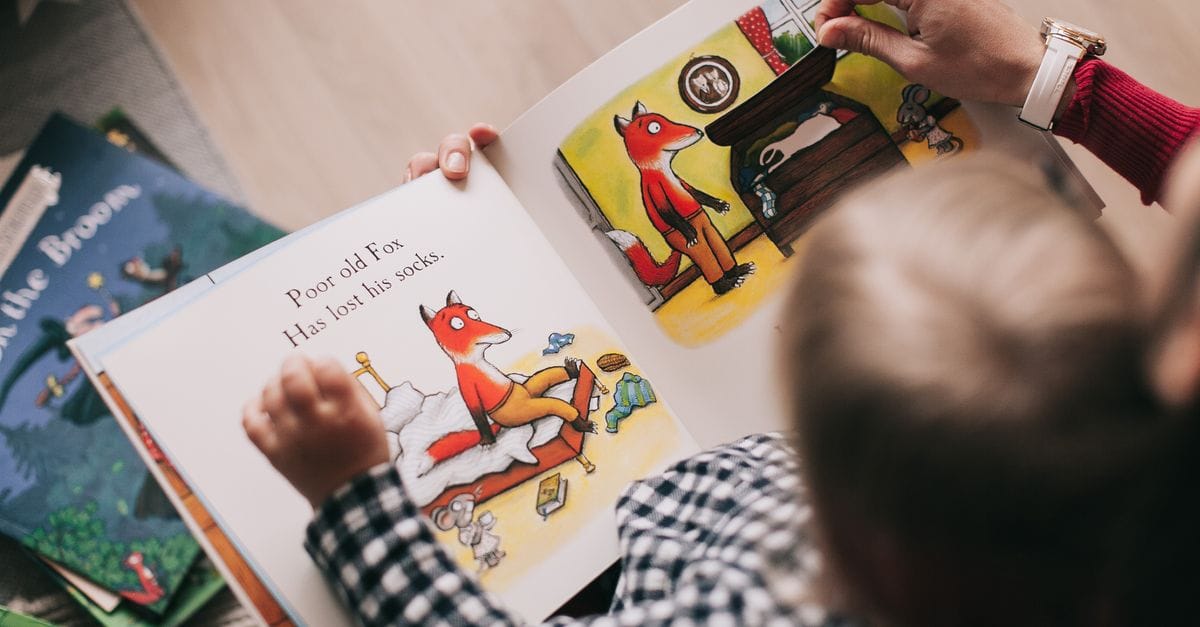
In CBPT the child is no longer a passive subject, but the active author of their own improvement.
Storytelling as co-construction
Storytelling is always an act of co-construction and transformation. Through the re-narration of the child’s story, the therapist models problem solving, lateral thinking, behavioral experimentation and the use of self-affirmations — while the child stays the protagonist of the change.
Set within the framework of cognitive change, a well-chosen story promotes hypothesis testing, accurate re-attribution and the rehearsal of alternative coping strategies. Bibliotherapy extends the same logic, using carefully selected texts to address emotional and behavioral difficulties at a safe remove.
- Building therapeutic stories within the CBPT setting
- Modeling adaptive endings and self-affirmations
- Bibliotherapy and the choice of texts
Frequently asked questions
What is therapeutic storytelling in CBPT?
In Cognitive Behavioral Play Therapy, therapeutic storytelling is a structured technique that uses stories, metaphor and bibliotherapy so a child can look at a difficult experience from a safe distance. The story creates psychological space around a threatening theme and lets the child imagine and try out a more adaptive ending.
Why do stories work with children in therapy?
Narrative is how children make sense of the world. Fables, metaphors and shared stories let a child express thoughts and feelings indirectly, without having to name what is too hard to say out loud. Identification with a character can then become a corrective experience.
How does the therapist use a story in a CBPT session?
Storytelling in CBPT is co-constructed. By re-narrating the child’s own story, the therapist models problem solving, lateral thinking, behavioral experiments and self-affirmations, while the child remains the protagonist of the change. The story is chosen to support hypothesis testing and the rehearsal of new coping strategies.
What is bibliotherapy and how does it fit in?
Bibliotherapy applies the same logic with carefully selected published texts. A book that mirrors the child’s difficulty allows emotional and behavioral issues to be addressed at a safe remove, within the cognitive-behavioral frame of the session.
Is there a course on therapeutic storytelling?
Yes. The CBPT Research Center offers a dedicated online course on the use of therapeutic storytelling, covering narrative thinking by age, how to build therapeutic stories and the choice of texts for bibliotherapy. It is one of the three CBPT tools courses, alongside puppets and expressive arts.
Master therapeutic storytelling
A dedicated course teaches the technique in depth — from narrative thinking and story construction to bibliotherapy — with practical, applicable method you can use in session.