CBPI-R: Cognitive Behavioral Play Intervention – Remediation
A neurocognitive treatment model that brings structured play and cognitive-behavioral techniques into the rehabilitation of neurodevelopmental disorders.
Play-based rehabilitation for neurodevelopmental difficulties.
What is CBPI-R?
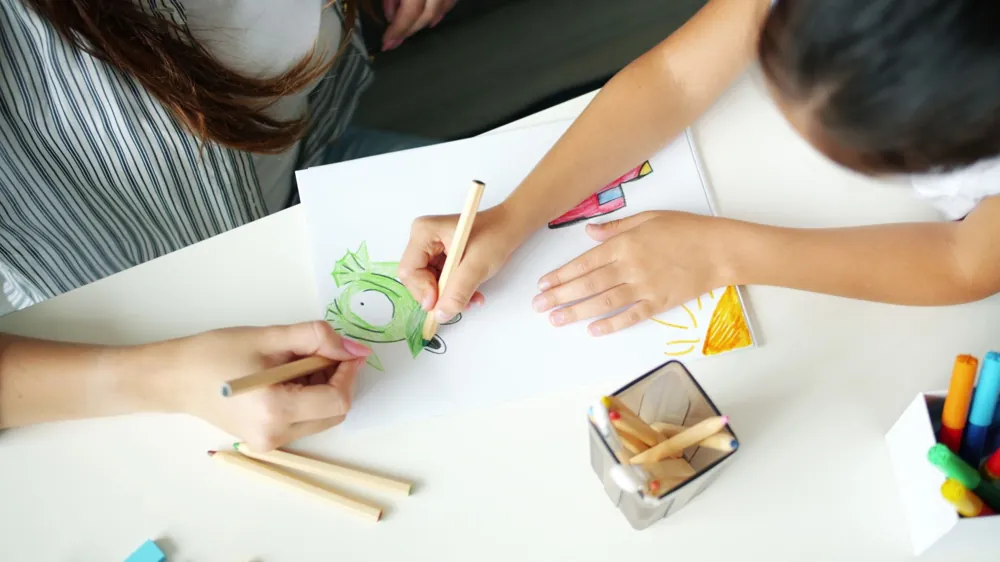
CBPI-R is a neurocognitive treatment model for neurodevelopmental disorders, developed by Maria A. Geraci and collaborators. It combines structured play activities with cognitive and behavioral techniques to improve engagement and learning skills — particularly in children who show resistance to traditional treatments.
Activities are clinician-guided and oriented to habilitative and rehabilitative goals, fostering active collaboration between families and clinicians.
How a CBPI-R session works
Welcome to build adherence
Potentiation in motivating contexts
Cognitive-behavioral techniques
Review with child and parents
Homework to generalize the skill
What CBPI-R addresses
Cognitive processes
Play-based neuropsychological rehabilitation of underlying abilities.
Attention & ADHD
Engagement and self-regulation in attention-deficit/hyperactivity disorder.
Communication
Intervention for communication disorders.
Reading
Support for specific reading difficulties.
Writing
Support for specific writing difficulties.
Calculation & movement
Learning and motor-related difficulties.
Documented and research-led
The CBPI-R model is presented in the manual Trattamento neurocognitivo nei disturbi del neurosviluppo (Armando, 2025), with an introduction by Susan M. Knell — part of our ongoing commitment, as a Research Center, to advancing and documenting the method.
Frequently asked questions
What is CBPI-R?
CBPI-R (Cognitive Behavioral Play Intervention, Remediation) is a neurocognitive treatment model for neurodevelopmental disorders developed by Maria A. Geraci and collaborators. It combines structured play activities with cognitive and behavioral techniques to improve engagement and learning skills, especially in children who resist traditional treatments.
Which difficulties does CBPI-R address?
Underlying cognitive processes, attention and ADHD, communication disorders, specific reading and writing difficulties, and difficulties in calculation and movement. Activities are guided by the clinician and oriented to habilitative and rehabilitative goals.
How is a CBPI-R session structured?
Five phases: a welcome phase to build adherence, potentiation of the target ability in motivating contexts, cognitive-behavioral techniques, a review with child and parents, and homework to generalize the skill outside the session.
How is CBPI-R different from CBPT?
CBPT is a psychotherapy model for emotional and behavioral difficulties; CBPI-R applies the same play-based, cognitive-behavioral logic to the rehabilitation of neurodevelopmental disorders, with a focus on cognitive and learning abilities and on collaboration between families and clinicians.
Where is the CBPI-R model published?
The model is presented in the manual Trattamento neurocognitivo nei disturbi del neurosviluppo (Armando, 2025), with an introduction by Susan M. Knell, as part of the CBPT Research Center's work of documenting the method.